
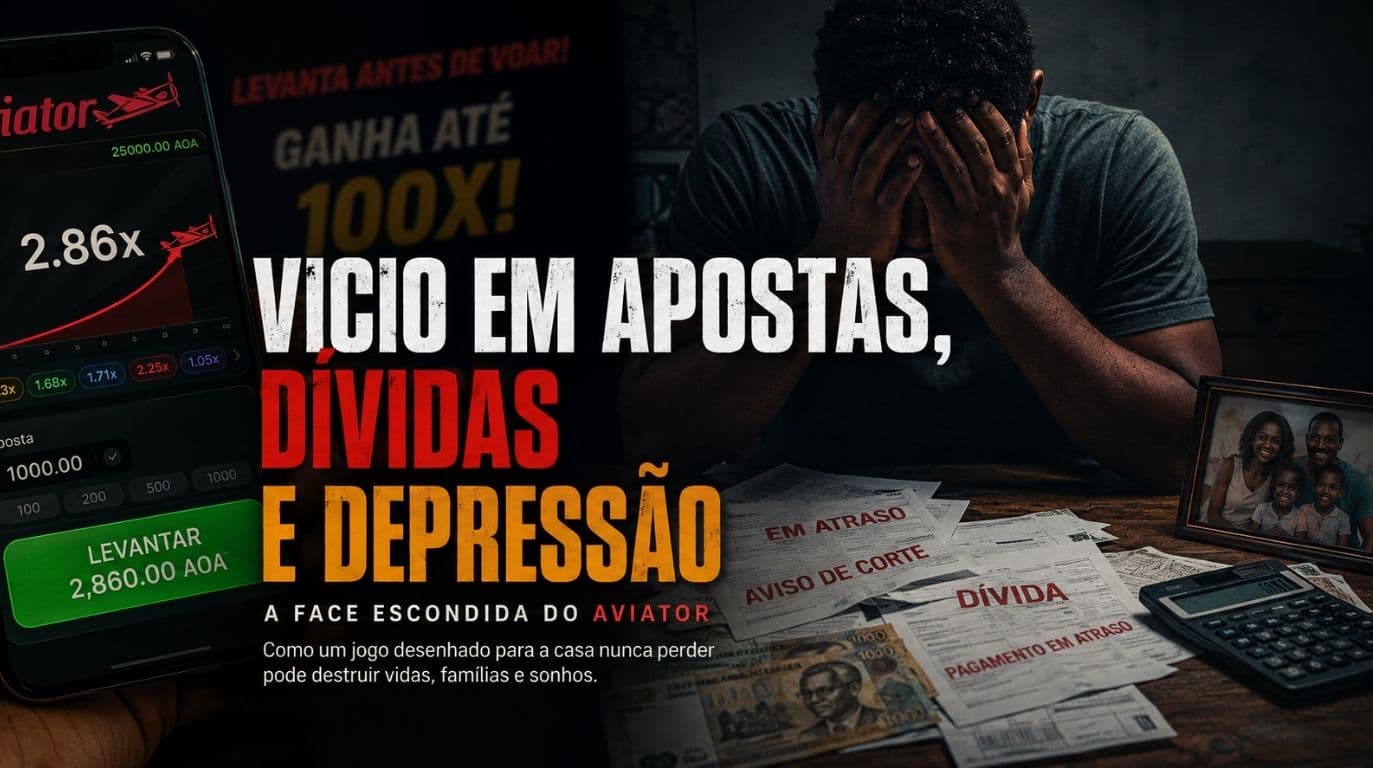
A game like Aviator is not luck against luck. It is mathematics designed intentionally so that you lose more than you win. That simple fact hides a chain of consequences going far beyond bank account balances: it explains why addiction sets in so fast, why debt and emotional distress feed each other, and why smart, hardworking people keep playing even when they know rationally they are losing. This article connects these pieces so that the full picture becomes clear, and so you know exactly what steps to take next.
Why games like aviator are built for the house to never lose
Every gambling operator sets its odds to guarantee a profit margin for itself regardless of the outcome. In industry jargon, this is known as the "vigorish" or "house edge," and it is no accident of design, it is the very reason the business exists. Underlying this is a mathematical principle that is easy to understand but hard to feel while playing: the Law of Large Numbers. The more times you repeat a bet, the closer the cumulative result gets to the expected mathematical average, which is always stacked in favor of the house. You aren't simply having bad luck. The game itself was constructed so that over enough time, luck stops mattering.
What the mathematics of gambling explains about addiction
This means there is no long-term "strategy" that works consistently, despite what gambling marketing suggests. Bet on favorites and you get small, slow gains until a single unexpected loss wipes everything out. Bet on longshots and you get rare, high payouts that inevitably disappear when you need them most. This built-in unpredictability, not a lack of intelligence, is what turns compulsive gambling into such an effective trap.
This mechanism is no longer an abstract problem. In Angola, Aviator is available on multiple platforms, and the national Gaming Supervision Institute has publicly expressed concern over online gambling addiction, preparing measures to identify at-risk players and limit daily wager amounts. When state regulators intervene, it means the issue has escalated from individual choices to a societal concern.
How debt and depression feed each other
This is where financial and emotional struggles merge. The pattern recurs across countless real-world accounts: real financial strain, unemployment, urgent family needs, or unpaid bills trigger the first bet. It isn't pure greed or irresponsibility, it is often a desperate attempt to solve a real problem using the only tool that seems accessible.
An initial win creates confidence. Wager amounts gradually increase. Soon, losses outpace gains, and financial and emotional pressures collide: the player borrows money, sells belongings, or uses savings meant for housing, healthcare, or education, hoping to recover what was lost. Debt grows faster than the ability to repay, and each new loss brings not just financial loss, but shame, isolation, and reluctance to seek help. This closed loop, financial decay and emotional decline reinforcing each other, makes gambling debt far more dangerous than ordinary loans.
What gambling does to the brain, and why "Willpower" isn't enough
To understand why this cycle is so hard to break alone, we must look inside the brain. Winning and losing both activate the brain's reward pathway linked to dopamine. While intuition suggests losing should discourage further play, the opposite happens: winning motivates through excitement, while losing compels play through an urgent drive to "chase" losses. The brain finds a reason to keep playing regardless of the outcome, explaining why telling someone to "just stop" is ineffective.
This is a recognized clinical condition. Gambling disorder is classified as a disease by the World Health Organization, with diagnostic criteria and treatment pathways comparable to substance dependencies.
The link between gambling, debt, and conditions like anxiety or depression is no statistical accident. As debt deepens, depressive symptoms worsen; as depression deepens, financial decision-making deteriorates. Treating this purely as a "money problem" misses the core issue.
Warning signs: how to recognize problem gambling in someone you love
Much of the damage occurs in secret because shame keeps people quiet. Consequently, family and friends are often positioned to spot warning signs before the individual acknowledges them:
- Repeated requests for borrowed money with vague or changing explanations.
- Sudden mood swings tied to smartphone usage, especially sudden irritability or unexplained euphoria.
- Progressive withdrawal from friends and family, and refusal to discuss personal finances.
- Selling personal possessions, falling behind on basic bills, or requesting salary advances.
- Categorical denial when confronted, even when presented with clear evidence.
Spotting these signs calls for empathy rather than aggressive confrontation. Asking directly without judgment, a topic explored in our reflection on digital empathy, is often the first step in breaking isolation.
The true scale of the problem, in numbers
Beyond individual cases, gambling addiction is unfolding on a massive scale.
Reais spent monthly on online gambling in Brazil (March 2026)
According to Central Bank of Brazil estimates, a growth of over 500% since January 2023.
In August 2024, data from the Central Bank of Brazil revealed that 5 million welfare beneficiaries transferred roughly 3 billion reais to gambling platforms in a single month, about 20% of the program's monthly budget designed to relieve poverty. Over 1.8 million Brazilians entered severe debt linked to gambling over the past year. These are not people with excess cash to gamble; they are those with the least margin for financial loss.
Advertising accelerates this expansion. Gambling companies sponsor major sports teams, leagues, and digital influencers, lending platforms false legitimacy and framing gambling as "extra income." Relentless marketing is frequently cited as a primary trigger for relapse.
Regulatory models vary globally. In the UK, gambling operators pay a 15% tax on gross profits, with significant funding directed to the NHS to treat gambling disorders. This model recognizes that the true cost of gambling extends far beyond individual bank accounts.
Breaking the silence: A call for awareness
Individual stories move us, but they can make readers think, "this could never happen to me." The data shows otherwise: problem gambling affects millions across all social backgrounds, likely including someone close to you.
Open, non-judgmental discussions about debt and gambling lower the barrier to seeking help. When people feel safe admitting a problem without being labeled irresponsible, early intervention becomes possible.
How to get help and block gambling access today
Recovery is possible and well-documented. Successful approaches combine multiple practical and emotional strategies:
- Identify emotional triggers: recognize whether boredom, anxiety, or sadness drives gambling urges. Ask: What am I seeking when I gamble that I cannot find elsewhere?
- Reframing gambling: internalize that gambling is not a financial solution, but an added financial burden.
- Trusted support networks: sharing struggles with trusted individuals counters isolation.
- Community & spiritual support: reconnecting with faith or local support communities plays a proven role in recovery.
A free, practical tool available today is Google Family Link. Ask a trusted friend or relative to supervise your device settings remotely. Any app installations or configuration changes will require their approval, creating a friction point during impulsive moments.
If this sounds familiar
If this article mirrors your experience or that of someone you care about, taking action doesn't require a single giant leap. It can start with a conversation, reaching out to a counselor, or setting up device blocking tools today. If you are in Angola and facing an immediate crisis, call 111 (INEMA). Seeking help is a brave first step toward recovery.




Discussion
Comments
Leave your thoughts on this article.
Loading comments...